
Cloth in Rust is one of the most important early game resources. Cloth is mainly used for crafting essential items like sleeping bags, clothing, and armor in Rust. Without enough cloth, you cannot craft a sleeping bag, bandages, medical items, or basic clothing to protect against cold and radiation. If you want to get cloth fast and avoid the early wipe grind, you need to understand every method available to save time and effort.
In this guide, you’ll learn how to get cloth in Rust using multiple methods:
Harvesting hemp plants in grassy areas, forests, rivers, and even the desert biome
Setting up a hemp farm with planter boxes, seeds, watering, and fully grown plant cycles
Killing animals like deer, bears, and chickens, then using a bone knife for better yield
Recycling tarps, sewing kits, ropes, and clothes at a recycler inside monuments
Breaking barrels and crates for scrap and other resources
Master cloth farming early, and crafting clothing, tactical gloves, and armor becomes a game changer.

Best Methods To Get Cloth In Rust
Scavenging For Cloth
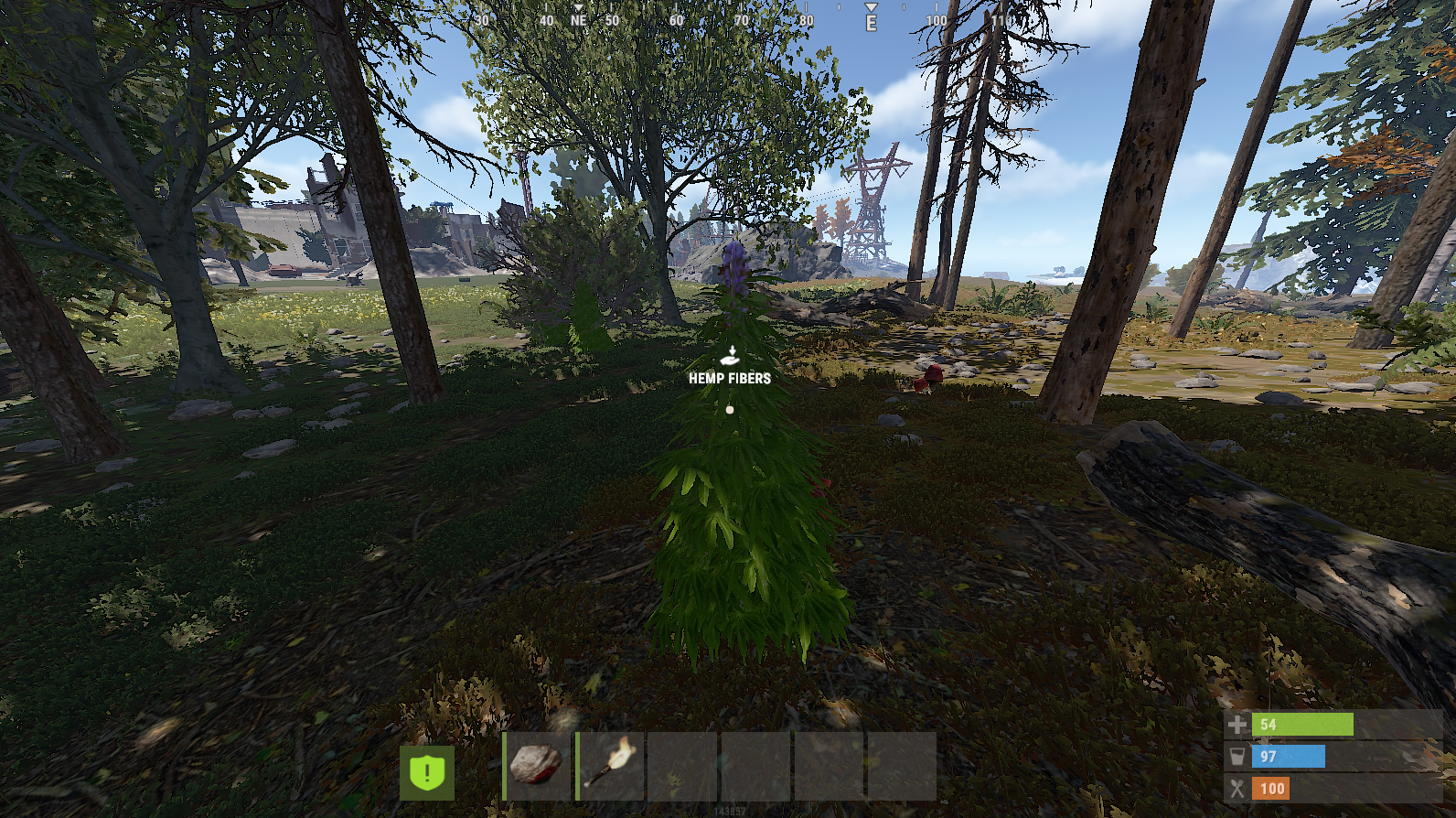
The fastest way to get cloth in Rust at spawn is to find hemp plants. Hemp is a natural resource that spawns most often in:
Forests
Grassy areas
Along rivers
Temperate biomes
Temperate zones are ideal for beginners because hemp spawn rates are high and visibility is good. Snow biomes rarely have wild hemp, so you will struggle to gather cloth there unless you switch to hunting animals or recycling.
Each fully grown hemp plant gives:
Up to 10 cloth
1 hemp seed
Always grab the seeds so you can farm cloth later.
Desert Biome Tip
In the desert biome, you can harvest cactus for cloth. A tall cactus can give up to 15 cloth, making it one of the best early game cloth sources if you spawn in the desert.
Scrapping Items For Cloth
Recycling is one of the most consistent ways to get cloth safely.
Use a recycler at monuments to break down:
Tarps
Sewing kits
Ropes
Tactical gloves
Clothes
These items give cloth along with scrap and other materials.
Breaking barrels and crates while roaming monuments helps you collect:
Scrap
Components to recycle
Extra cloth items
This method is safer than farming hemp in high traffic areas because you can recycle indoors and quickly leave.
Farming Cloth
Setting up a hemp farm is the best long-term method to farm cloth in Rust.
What You Need
Planter boxes
Hemp seeds
Watering (jugs, sprinklers, or natural rain)
Light if indoors
A protected base
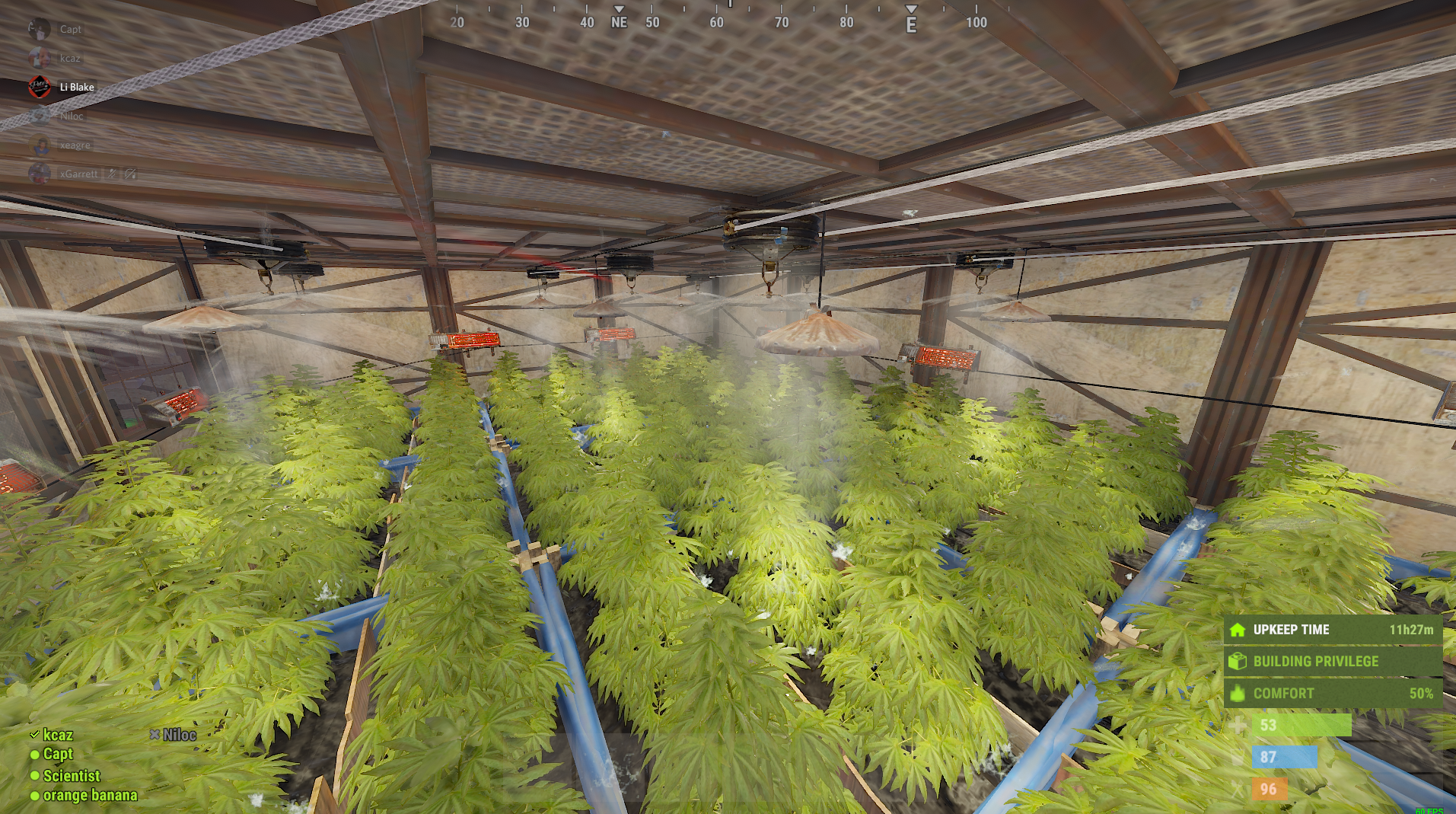
Plant seeds in planter boxes and wait for them to become fully grown. A well-maintained hemp farm can produce tons of cloth per hour.
Advanced Farming
For maximum cloth production:
Use high-yield genetics (clones). Using clones with high-yield genetics can significantly increase cloth production per harvest in farming setups.
Expand with multiple planter boxes
Automate watering systems. Supplying power to lighting systems and automated farms is important to maximize output and efficiency.
Protect your farm from other players
A secure hemp farm turns cloth into a passive resource and removes the early game bottleneck. Setting up large planter boxes indoors with irrigation and lights can yield thousands of cloth per hour in late game.
Hunting Animals
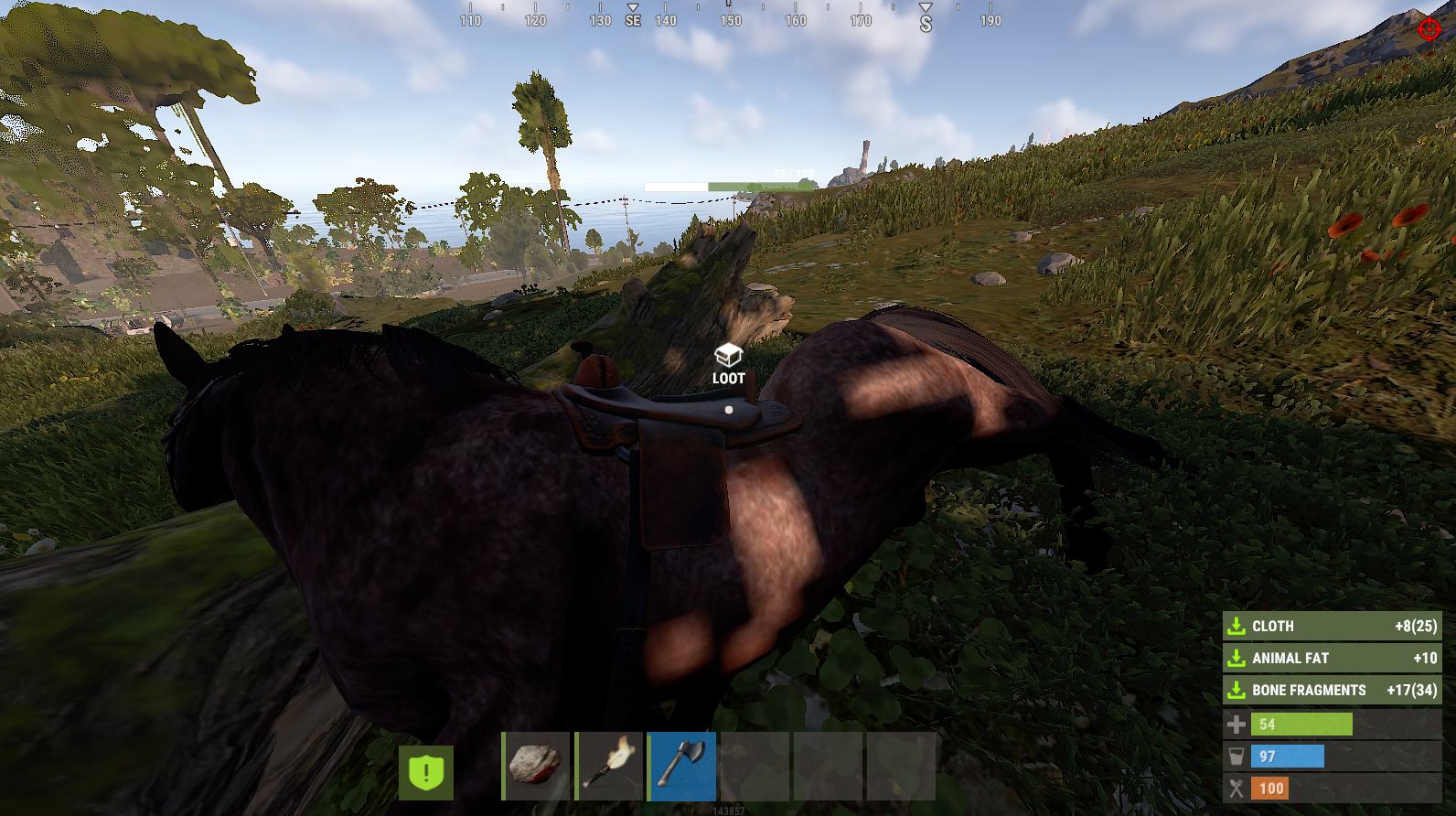
Killing animals is a reliable way to get cloth, especially when hemp is scarce.
Animals that give cloth:
Bears – highest yield
Deer – medium yield
Chickens – small but easy to kill
Use a bone knife instead of a hatchet for better cloth yield. You also get:
Animal fat (for low grade fuel)
Bone fragments (for crafting tools)
Other materials
Hunting is essential in snow biomes where hemp does not spawn.
Where To Find Cloth In Rust
Best locations based on spawn:
Temperate Biome (Best Overall)
High hemp spawn
Easy visibility
Ideal for early game farming
Forests And Rivers
Dense hemp clusters
Good for fast cloth gathering routes
Desert
Cactus gives high cloth
Low competition in some areas
Snow Biome (Worst For Hemp)
Almost no hemp plants
Rely on hunting animals and recycling
Additionally, you can trade scrap for cloth at the Bandit Camp, but this carries ambush risk and is not ideal early wipe.
Trading For Cloth
Trading for cloth in Rust can be a game changer, especially when traditional methods like harvesting hemp or hunting animals are limited by your location or competition from other players. Engaging in resource exchange with other players allows you to acquire cloth in Rust by trading excess materials such as scrap, metal fragments, or other valuable resources. This approach is particularly useful in the early game, when every bit of cloth counts for crafting sleeping bags, clothing, and medical items.
Building alliances or friendly relationships with other players can open up more trading opportunities and grant you access to resource-rich areas that might otherwise be contested. The Rust community thrives on player interaction, and trading not only helps you maintain a steady cloth supply but also supports your overall crafting and survival strategy. Whether you’re bartering at a safe zone or making deals in the wild, trading for cloth is a flexible and often safer alternative to direct harvesting.
Exploring For Rare Cloth Sources
Exploring the vast world of Rust can lead you to rare cloth sources that many players overlook. Hidden crates and barrels scattered throughout forests, grassy areas, and even the desert biome can yield a surprising amount of cloth, especially valuable in the early game. Using tools like a hatchet or pickaxe can help you access hard-to-reach locations where these containers might be tucked away.
In addition to scavenging, hunting animals such as bears and deer can provide rare cloth sources, along with animal fat and bone fragments are essential natural resources for crafting and survival. Bears offer the highest yield, while deer and other animals can supplement your cloth supply when hemp is scarce. By combining exploration with strategic use of tools and hunting, you can maximize your access to cloth and other valuable resources hidden throughout the game world.
Staying Safe While Gathering Cloth
Staying safe while gathering cloth is crucial to protect your hard-earned resources and maintain your progress in Rust. Always be aware of your surroundings, as other players and hostile animals can pose significant threats while you’re out collecting cloth. Building a secure base with strong walls, traps, and other defensive measures is essential for safeguarding your resources and providing a safe place to store your cloth.
Utilizing planter boxes to farm cloth within your base is one of the safest and most efficient ways to gather resources without exposing yourself to unnecessary risk. Additionally, employing stealth tactics or misdirection can help you avoid detection when gathering cloth in high-traffic or dangerous areas. By prioritizing security and smart farming practices, you can consistently gather cloth and other resources while minimizing the chances of losing everything to a raid or ambush.
Tips To Get Cloth Faster
Farm near rivers for consistent hemp spawn
Grab every hemp seed for farming later
Use a bone knife when harvesting animals
Recycle sewing kits and tarps immediately
Run safe monument routes for barrels and crates
Build a small hemp farm as soon as possible
Farm at low population times to avoid other players
Once you have an automated hemp farm set up and running, you won't need to worry about gathering cloth for the rest of the wipe.
What’s The Fastest Way To Get Cloth In Rust?
The best way to get cloth in Rust is:
Early game:
Harvest hemp in forests and grassy areas while recycling tarps and sewing kits at nearby monuments.
Mid game:
Hunt animals with a bone knife and start planting hemp seeds in planter boxes.
Late game:
Run a protected hemp farm with high-yield genetics and automated watering for mass cloth production.
This progression gives you a steady supply of cloth for crafting clothing, bandages, sleeping bags, armor, and medical items without relying on risky roaming.
Conclusion
Cloth is an essential resource that powers your early survival and long-term progression in Rust. Whether you are harvesting hemp plants in temperate biomes, cutting cactus in the desert, hunting animals for high yields, or recycling sewing kits and ropes at monuments, every method contributes to your supply.
The real game changer is building a hemp farm. With planter boxes, seeds, watering, and protection from other players, you can automate cloth production and generate tons of materials for crafting clothes, tactical gloves, medical items, and armor.
Master these methods, and you will never struggle for cloth again, giving you a strong advantage in every wipe.
For more resources, including trading Rust skins and expanding your inventory, be sure to visit our website.